Showing posts with label Biking Tips. Show all posts

Friday, May 12, 2023

Cycling Tips To Make Summer Awesome

Summer is the perfect time for cycling. The long, sunny days and warm weather create the perfect environment for exploring new routes and challenging yourself on the bike. Whether you're a seasoned cyclist or just starting out, here are some cycling tips to make your summer awesome.

  1. Stay Hydrated

Summer heat can cause dehydration, so it's important to stay hydrated before, during, and after your ride. Bring plenty of water or electrolyte drink, and drink frequently throughout your ride. Consider adding a hydration pack or extra water bottles to your bike to make it easier to stay hydrated on longer rides.

  1. Protect Your Skin

The sun's UV rays can damage your skin, so it's important to protect yourself with sunscreen. Choose a sunscreen with at least SPF 30 and apply it liberally to all exposed areas of your skin, including your face, neck, and arms. Wear sunglasses to protect your eyes from UV rays and wind, and consider wearing a hat or visor to shade your face and keep you cool.

  1. Dress for the Weather

Summer weather can be unpredictable, so it's important to dress in layers. Choose lightweight, breathable fabrics that wick away sweat to keep you cool and dry. Wear a moisture-wicking base layer to keep sweat away from your skin, and add a lightweight jersey or t-shirt. Consider wearing cycling shorts or a skirt to stay cool and comfortable, and don't forget to wear a helmet.

  1. Plan Your Routes

Summer is a great time to explore new routes and challenge yourself on the bike. Plan your routes in advance, and choose routes that take you through scenic areas or along the water. Consider joining a cycling group or club to meet other cyclists and discover new routes.

  1. Be Prepared for Emergencies

Summer heat can cause health emergencies, so it's important to be prepared. Bring a first aid kit and know how to use it in case of emergency. Consider carrying a cell phone and a credit card or cash in case you need to call for help or make a purchase.

  1. Stay Safe on the Road

Summer is a busy time for cyclists and motorists, so it's important to stay safe on the road. Follow traffic laws and signals, and use hand signals to indicate turns and stops. Wear reflective gear and use lights to make yourself visible to motorists, especially when riding in low light conditions.

  1. Enjoy the Ride

Most importantly, remember to enjoy the ride. Summer is a great time to get out and explore, challenge yourself, and have fun on the bike. Take time to appreciate the sights and sounds of summer as you ride, and embrace the sense of freedom and adventure that cycling can bring.

Summer is the perfect time for cycling, and by following these cycling tips, you can make it an awesome season. Stay hydrated, protect your skin, dress for the weather, plan your routes, be prepared for emergencies, stay safe on the road, and most importantly, enjoy the ride. Whether you're a seasoned cyclist or just starting out, cycling can be a fun, rewarding, and healthy way to enjoy the summer months.

Wednesday, March 29, 2023

6 Tips and Tricks to Climb Better on Your Bike


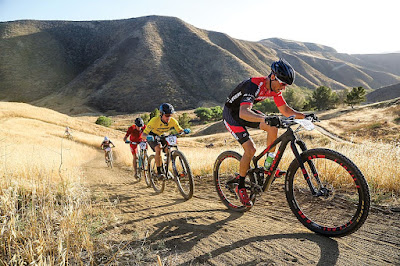
Cycling is a great way to stay fit and explore the outdoors. Whether you’re an experienced cyclist or just starting out, climbing hills on your bike can be a daunting challenge. Climbing hills is not only physically demanding but also requires proper technique and mental toughness. In this blog post, we’ll share some tips and tricks to help you climb better on your bike.

  1. Build Your Endurance

The first and most important tip to improve your climbing skills is to build your endurance. Endurance is the ability to sustain physical effort for an extended period. To build endurance, you need to increase the duration and intensity of your rides gradually. Start with shorter rides and gradually increase the distance and intensity over time. Incorporate regular rest days into your training plan to allow your body to recover.

  1. Gear Up

One of the most critical aspects of climbing is having the right gear. It’s essential to have a bike that’s suited for the type of climbing you’ll be doing. A bike with a low gear ratio will help you climb more efficiently. Make sure your bike is properly maintained and in good working order. Check your brakes, chain, and tires regularly.

  1. Proper Technique

Climbing requires proper technique. Shift your body weight forward and keep your upper body relaxed. Focus on pedaling in a smooth, circular motion. Avoid bouncing up and down on the saddle, as this wastes energy. Keep your eyes focused on the road ahead, and stay relaxed.

  1. Mental Toughness

Climbing hills can be mentally challenging. It’s important to stay positive and focused on your goal. Break the climb down into smaller sections and focus on reaching each section one at a time. Use positive self-talk to encourage yourself and stay motivated.

  1. Practice Makes Perfect

The more you climb, the better you’ll get. Find hills in your area and incorporate them into your training plan. Practice different types of climbs, such as short, steep climbs, and longer, gradual climbs. Set goals for yourself and track your progress over time.

  1. Fuel Your Body

Climbing hills requires a lot of energy. Make sure you fuel your body with the right foods and stay hydrated. Eat a balanced diet that includes plenty of carbohydrates and protein. Drink plenty of water and electrolyte-rich fluids to stay hydrated.

Climbing hills on your bike can be challenging, but with the right training and mindset, you can improve your climbing skills. Building endurance, having the right gear, using proper technique, staying mentally tough, practicing regularly, and fueling your body are all essential for climbing success. Keep these tips in mind, and you’ll be climbing like a pro in no time!

Sunday, March 19, 2023

Why You Need Lights on Your Bike


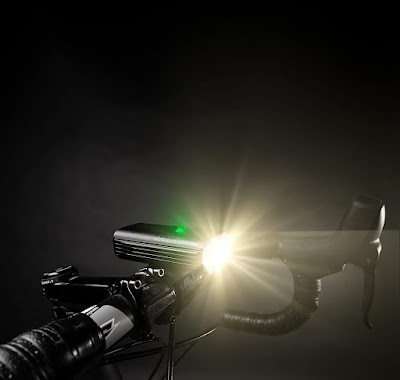
Cycling is a great way to stay active, commute, and enjoy the outdoors. However, cycling at night or in low light conditions can be dangerous without proper lighting. That's why it's important to equip your bike with lights. In this blog post, we'll go over the reasons why you need lights on your bike and help you choose the best bike lights for safe night riding.

  1. Increased visibility

The primary reason for having lights on your bike is to increase your visibility to other road users. A bike with lights is easier to see than one without, making it less likely for a driver or pedestrian to collide with you. Lights also help you stand out in low-light conditions such as dawn, dusk, or on overcast days.

  1. Legal requirement

In many countries, it is a legal requirement to have lights on your bike. For example, in the UK, bikes must have a white front light and a red rear light when cycling in the dark. Failing to comply with this law can result in a fine, penalty points on your license, or even a court summons. So, make sure you check the regulations in your area and equip your bike with the appropriate lights.

  1. Safety for yourself and others

Lights on your bike not only make you more visible to others but also improve your own safety. If you can see the road ahead of you, you are less likely to hit potholes, debris, or other obstacles. Lights can also help you navigate through poorly lit areas or unlit paths. Additionally, by having lights on your bike, you're also showing consideration and respect for others who are sharing the road with you.

  1. Versatility

Lights on your bike don't just serve a purpose at night or in low-light conditions. They can also be useful during the day, especially if you're cycling in areas with heavy traffic. Many bike lights come with a daytime running mode, which makes you more visible to drivers during daylight hours. You can also use flashing modes during the day to catch the attention of drivers or pedestrians.

  1. Long-lasting batteries

Gone are the days of bulky, heavy, and short-lasting bike lights. With advancements in technology, bike lights have become more efficient, lightweight, and long-lasting. Many lights now use rechargeable batteries, which can last for several hours on a single charge. This makes them more convenient and cost-effective than disposable battery-powered lights.

Bike lights are a crucial component of safe cycling. They improve your visibility, comply with legal requirements, increase safety for yourself and others, provide versatility, and use long-lasting batteries. So, whether you're a daily commuter or a weekend warrior, make sure you equip your bike with lights and stay safe on the road, and be sure to get the best bike lights for safe night riding.

Saturday, March 11, 2023

6 Tips to Help You Through Your Longest Rides


Long-distance cycling can be a rewarding and challenging experience, but it requires proper preparation and planning to ensure that you complete your ride safely and comfortably. Whether you’re planning a century ride, a multi-day tour, or a challenging bikepacking trip, here are some tips to help you through your longest rides.

  1. Train and Build Endurance

The first step to completing a long-distance ride is to train and build your endurance. Start with shorter rides and gradually increase your distance over time. Aim to ride at least three times a week, including one longer ride on the weekend, to build your stamina and endurance.

  1. Pace Yourself

When riding long distances, it’s important to pace yourself to avoid burning out too quickly. Don’t start out too fast, and try to maintain a steady and comfortable pace throughout the ride. You should also take regular breaks to rest, refuel, and stretch your muscles.

  1. Stay Hydrated and Fueled

Proper hydration and nutrition are essential for completing long rides. Make sure to drink plenty of water and electrolyte-rich sports drinks to stay hydrated, especially in hot weather. Bring plenty of snacks and energy bars to fuel your body during the ride, and eat small, frequent meals to maintain your energy levels.

  1. Dress Appropriately

Wearing the right clothing can make a big difference in your comfort level during a long ride. Choose lightweight, breathable, and moisture-wicking materials to keep you cool and dry. Make sure to wear padded cycling shorts to prevent chafing and discomfort, and consider wearing a cycling jersey with pockets to store snacks and other essentials.

  1. Check Your Bike

Before embarking on a long ride, it’s important to check your bike and make sure it’s in good working order. Inspect your tires, brakes, chain, and gears, and make any necessary repairs or adjustments. Carry a basic repair kit and spare tube in case of a flat tire or other mechanical issue.

  1. Plan Your Route

Planning your route ahead of time can help you to avoid getting lost and to stay on track. Use a map or GPS device to plan your route, and make sure to choose roads and trails that are suitable for your skill level and fitness level. Consider including rest stops and attractions along the way to break up the ride and keep you motivated.

Completing a long-distance ride requires proper preparation, training, and planning. Make sure to train and build your endurance, pace yourself, stay hydrated and fueled, dress appropriately, check your bike, and plan your route ahead of time. By following these tips, you can complete your longest rides safely and comfortably, and enjoy the scenery and adventure along the way.

How To Corner on a Bike

Learning how to corner on a bike is an essential skill for any cyclist, whether you’re a beginner or an experienced rider. Cornering is not only crucial for racing and group riding, but it also helps you to navigate corners safely and efficiently during everyday riding. In this blog post, we’ll cover some tips and techniques to help you improve your cornering skills on a bike.

  1. Look Ahead

One of the most important things to remember when cornering on a bike is to look ahead. This means looking at the line you want to take through the corner, rather than at the obstacle or hazard you’re trying to avoid. Looking ahead helps you to anticipate what’s coming and to plan your movements accordingly, allowing you to corner more smoothly and efficiently.

  1. Brake Before the Corner

Braking during a corner can cause your wheels to lose traction and lead to a crash. Instead, you should slow down before the corner and brake in a straight line. This will allow you to maintain control of your bike and to carry more speed through the corner.

  1. Position Your Body Correctly

Proper body positioning is essential for effective cornering on a bike. When approaching a corner, shift your weight to the outside of the bike and lean your bike into the turn. Keep your inside foot up and your outside foot down, and use your outside arm to counterbalance your body. This will help you to maintain stability and control through the turn.

  1. Control Your Speed

The key to safe and effective cornering is to control your speed through the turn. You should aim to enter the corner at a comfortable speed that allows you to maintain control of your bike, and then accelerate out of the turn. If you find yourself going too fast, you can use your brakes lightly to slow down and regain control.

  1. Use Your Gears

Using your gears effectively can help you to maintain your speed through a corner. Shift to a lower gear before the turn, and then shift back up as you exit the turn. This will help you to maintain your momentum and to accelerate out of the turn more quickly.

  1. Practice

As with any skill, the key to improving your cornering on a bike is to practice. Start by practicing on a quiet road or in a parking lot, and gradually increase your speed and difficulty as you become more confident. Try to vary your practice by experimenting with different types of corners, such as tight corners, sweeping corners, and hairpin turns.

Mastering the art of cornering on a bike takes practice and patience, but with the right techniques and a little bit of practice, you can learn to navigate corners safely and efficiently. Remember to look ahead, brake before the corner, position your body correctly, control your speed, use your gears, and practice regularly to improve your cornering skills.