Saturday, March 11, 2023

What Beginner Cyclists Need To Know About Road Racing

Road racing is a popular form of cycling that involves racing on paved roads, often in a group or peloton. While it can be an exciting and challenging experience, road racing also requires skill, strategy, and preparation. In this blog post, we'll cover what beginner cyclists need to know about road racing to get started and enjoy the sport safely.

  1. Get the Right Equipment

Before you start road racing, you'll need to make sure you have the right equipment. This includes a road bike that is suitable for racing, cycling shoes, and a helmet that meets safety standards. You may also want to invest in cycling clothing that is designed to be aerodynamic and comfortable during long rides. It's also a good idea to have a basic tool kit and spare parts, such as inner tubes and tire levers, in case of mechanical issues during a race.

  1. Train Properly

Road racing requires a high level of fitness and endurance, so it's important to train properly before entering a race. This includes developing a training plan that includes regular rides of varying distances and intensities. It's also a good idea to incorporate strength training and cross-training activities, such as yoga or swimming, into your routine to build overall fitness and prevent injuries.

  1. Practice Group Riding

Road racing often involves riding in a group or peloton, so it's important to practice group riding skills before entering a race. This includes learning how to ride in a tight pack, how to draft off other riders, and how to communicate with other riders using hand signals or verbal cues. Joining a local cycling club or participating in group rides can be a great way to improve your group riding skills.

  1. Learn the Rules and Strategies

Road racing has specific rules and strategies that you'll need to learn before entering a race. This includes understanding the different types of races, such as criteriums and road races, as well as the rules regarding drafting, passing, and sprinting. You'll also need to learn basic racing strategies, such as when to attack, when to conserve energy, and how to work with other riders in a group.

  1. Start with Small Races

As a beginner cyclist, it's important to start with smaller races that are less intense and have lower entry fees. This will give you the opportunity to gain experience and confidence in racing without feeling overwhelmed or discouraged. Look for local races or events that are designed for beginner or novice cyclists, and gradually work your way up to more competitive races as you improve your skills and fitness.

  1. Stay Safe

Road racing can be a dangerous sport, so it's important to prioritize safety at all times. This includes wearing appropriate safety gear, following the rules of the road and the race, and paying attention to your surroundings at all times. It's also important to be aware of your own limits and not push yourself too hard, especially in hot or humid weather conditions.

Road racing can be a fun and rewarding sport for beginner cyclists who are willing to put in the time and effort to prepare properly. By getting the right equipment, training properly, practicing group riding, learning the rules and strategies, starting with small races, and prioritizing safety, you can enjoy road racing while minimizing the risks of injury or accidents.

How to Cycle Without Hurting Your Junk

Cycling is a great way to get exercise, explore the outdoors, and reduce your carbon footprint. However, one potential downside to cycling is that it can cause discomfort or pain in your genital area. This is particularly true for men, as the pressure and friction caused by the bike seat can lead to irritation, chafing, and even numbness. In this blog post, we'll provide some tips on how to cycle without hurting your junk.

Choose the Right Bike Seat

One of the most important factors in preventing genital discomfort is choosing the right bike seat. Look for a seat that is the right width for your sit bones, and make sure it has enough padding to cushion your weight. You may also want to consider a seat with a cut-out or channel in the middle, which can reduce pressure on your genital area.

Adjust Your Bike Seat Properly

Once you've found the right bike seat, it's important to adjust it properly. Make sure the seat is level and not tilted forward or backward. Adjust the height so that your knees are slightly bent when the pedals are at the bottom of the stroke. And adjust the fore/aft position so that you're sitting in the middle of the seat, not too far forward or back.

Wear the Right Clothing

Wearing the right clothing can also help prevent genital discomfort. Look for cycling shorts with a padded chamois, which can help reduce friction and absorb moisture. Avoid wearing tight-fitting or restrictive clothing, which can increase pressure on your genital area.

Stand Up and Stretch

If you start to feel discomfort or numbness in your genital area while cycling, try standing up on the pedals and pedaling for a few strokes. This can help relieve pressure and improve circulation. You can also stop and stretch periodically to improve blood flow and reduce tension in your pelvic area.

Take Breaks

If you're planning a long ride, it's important to take breaks to give your genital area a rest. Get off your bike every hour or so and walk around, stretch, or do some pelvic floor exercises to help improve circulation and reduce tension.

Practice Good Hygiene

Finally, practicing good hygiene can help prevent irritation and infection in your genital area. Wear clean cycling shorts for each ride, and shower or bathe after cycling to remove sweat and bacteria. You may also want to consider using an anti-chafing cream or powder to reduce friction and moisture.

Cycling can be a fun and healthy activity, but it's important to take steps to prevent genital discomfort. By choosing the right bike seat, adjusting it properly, wearing the right clothing, taking breaks, and practicing good hygiene, you can enjoy cycling without hurting your junk.

Getting Started With Bikepacking


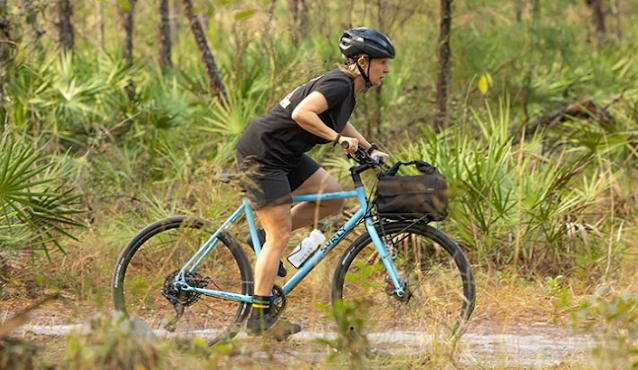
If you're looking for an adventure that combines cycling and camping, then bikepacking may be just what you need. Bikepacking is a great way to explore new places, push yourself physically, and enjoy the great outdoors. In this blog post, we'll cover everything you need to know to get started with bikepacking.

What is Bikepacking?

Bikepacking is a form of bike touring where cyclists carry all their gear on their bikes, including tents, sleeping bags, and food. Unlike traditional touring, bikepacking routes often take riders off-road, onto gravel or dirt roads, and even singletrack trails. Bikepacking can be done as a one-day trip or a multi-day adventure.

Preparing for Your Bikepacking Trip

Before you set off on your bikepacking adventure, it's important to properly prepare. Here are some things to consider:

  1. Choose Your Route

    Decide where you want to go and plan your route accordingly. Consider factors such as the terrain, the distance, and the availability of food, water, and shelter.

  2. Pack Appropriately

    Pack light, but make sure you have all the essentials. Consider investing in lightweight camping gear and bike-specific bags and racks.

  3. Check Your Bike

    Make sure your bike is in good condition and ready for the ride. Check the brakes, gears, tires, and suspension (if applicable) to ensure everything is working properly.

  4. Get in Shape

    Bikepacking can be physically demanding, so make sure you're in good shape and prepared for the physical demands of the trip.

  5. Familiarize Yourself with Navigation

    Familiarize yourself with the route and bring a map or GPS device to help you navigate. Make sure you have a plan for how to find food, water, and shelter along the way.

Essential Gear for Bikepacking

Here are some essential pieces of gear you'll need for your bikepacking trip:

  1. Bikepacking Bags

    You'll need bags to carry all your gear on your bike. Look for lightweight, durable bags that can be attached to your bike's frame, handlebars, and seat.

  2. Sleeping Gear

    A lightweight tent, sleeping bag, and sleeping pad are essential for camping.

  3. Food and Water

    Bring enough food and water for the entire trip, and make sure you have a plan for replenishing your supplies along the way.

  4. Clothing

    Pack clothing appropriate for the weather and the terrain you'll be riding on. Consider bringing layers that can be easily added or removed.

  5. Repair Kit

    Bring a repair kit with basic tools, a spare tube, and a pump in case of a flat tire or other mechanical issues.

Tips for a Successful Bikepacking Trip

Here are some additional tips to help make your bikepacking trip a success:

  1. Start Slow

    Start with shorter trips and work your way up to longer and more challenging adventures.

  2. Be Flexible

    Be prepared to adjust your route or plans based on unexpected obstacles or weather conditions.

  3. Be Safe

    Always wear a helmet and follow traffic laws. Bring a first-aid kit and know basic first aid in case of an emergency.

  4. Leave No Trace

    Respect the environment and leave no trace of your presence. Pack out all your trash and minimize your impact on the natural environment.

  5. Enjoy the Journey

    Take time to enjoy the scenery, connect with nature, and have fun!

Bikepacking is a great way to combine cycling and camping for an exciting adventure. By properly preparing, packing the right gear, and following these tips, you'll be well on your way to a successful bikepacking trip.

Want to get started with bikepacking? Check out The Best Gravel Bikes Under $1,000.

12 Helpful Tips For Buying a New Bike

Buying a new bike can be an exciting and overwhelming experience, especially if you're not sure what to look for. With so many different types of bikes, brands, and models available, it can be tough to know where to start. In this blog post, we'll go over 12 helpful tips for buying a new bike that will make the process easier and help you find the perfect ride.

  1. Determine Your Riding Style

    The first step in buying a new bike is to determine your riding style. Are you planning to ride on the road, on trails, or both? Will you be using the bike for commuting or for leisurely rides? Knowing your riding style will help you narrow down your options and find the right type of bike for your needs.

  2. Set a Budget

    Once you know what type of bike you need, it's time to set a budget. Bikes can range from a few hundred dollars to thousands of dollars, so it's important to have a clear idea of how much you're willing to spend.

  3. Do Your Research

    Before you start shopping, do some research on the brands and models that are available in your price range. Read reviews from other cyclists and ask for recommendations from friends or local bike shops.

  4. Get Fitted

    Getting properly fitted for a bike is important for both comfort and performance. A bike that doesn't fit you properly can lead to discomfort and even injury. Most bike shops offer fitting services, so make sure to take advantage of this before you make a purchase.

  5. Test Ride

    Once you've narrowed down your options, it's important to take the bikes for a test ride. This will give you a chance to see how the bike feels and performs.

  6. Consider the Frame Material

    Bike frames are typically made from aluminum, carbon fiber, steel, or titanium. Each material has its own advantages and disadvantages, so consider which one is right for you.

  7. Check the Components

    The components on a bike, such as the brakes, shifters, and derailleurs, can vary widely in quality. Make sure to check the components on any bike you're considering to ensure that they are high quality and will perform well.

  8. Think About Suspension

    If you'll be riding on trails or rough roads, you may want to consider a bike with suspension. Suspension can help absorb shock and make for a smoother ride.

  9. Look for the Right Fit and Comfort

    Make sure to choose a bike that fits you well and is comfortable to ride. A comfortable bike will encourage you to ride more often and for longer distances.

  10. Don't Forget About Accessories

    In addition to the bike itself, don't forget to budget for accessories such as a helmet, lock, lights, and a pump. These are essential items that will make your rides safer and more enjoyable.

  11. Buy From a Reputable Dealer

    When buying a new bike, it's important to buy from a reputable dealer. This will ensure that you get a high-quality bike and that you have access to support and maintenance services if needed.

  12. Get a Warranty

    Finally, make sure to get a warranty with your new bike. This will protect you in case of any defects or problems with the bike.

Buying a new bike can be a fun and rewarding experience, but it's important to do your research and choose the right bike for your needs. By following these 12 helpful tips, you'll be able to find a bike that fits you well, performs well, and meets your budget.

How to Buy a Good, Used Bike and Not Get Screwed

Cycling is a fun, healthy, and environmentally friendly mode of transportation. Not only that, but cycling is also a great way to get some exercise and explore new places. If you're thinking about getting into cycling but don't want to spend a lot of money on a new bike, buying a good, used bike can be a great option. However, buying a used bike can be a bit of a gamble if you don't know what you're doing. In this blog post, we'll go over some tips for buying a good, used bike and not getting screwed.

  1. Set a Budget

    Before you start looking for a used bike, it's important to figure out how much you're willing to spend. Setting a budget will help you narrow down your search and ensure that you don't overspend. It's important to keep in mind that you may need to spend some money on repairs or upgrades, so factor that into your budget as well.

  2. Research

    Once you have a budget in mind, it's time to start researching. Look for reputable bike shops or online marketplaces that sell used bikes. Read reviews and ask for recommendations from friends who are into cycling. Make a list of bikes that fit your budget and needs.

  3. Inspect the Bike

    When you find a used bike that you're interested in, it's important to inspect it thoroughly. Check for any cracks or dents in the frame, as these can be signs of a bike that has been in a crash. Make sure that the wheels are true and the brakes work properly. Check the chain for wear and tear, and make sure that the pedals spin smoothly. If you're not comfortable inspecting a bike yourself, take it to a local bike shop for a professional inspection.

  4. Ask Questions

    Don't be afraid to ask the seller questions about the bike's history. Ask how old the bike is, how often it was ridden, and if it has ever been in a crash. Find out if any parts have been replaced, and if so, why. Ask about the bike's maintenance history and if it has been stored indoors or outdoors. The more you know about the bike, the better equipped you'll be to make an informed decision.

  5. Test Ride

    Before you buy a used bike, make sure to take it for a test ride. This will give you a chance to make sure that the bike feels comfortable and that all the parts are working properly. If the seller won't allow you to test ride the bike, that's a red flag.

  6. Negotiate

    Once you've inspected the bike and taken it for a test ride, it's time to negotiate the price. Don't be afraid to make an offer that's lower than the asking price, but be prepared to compromise. If the seller won't budge on the price, consider asking for a discount if you're also purchasing accessories or if the bike needs repairs.

  7. Get a Receipt

    When you purchase a used bike, make sure to get a receipt. This will serve as proof of purchase and will be useful if you need to make a warranty claim or if you decide to sell the bike in the future.

Buying a used bike can be a great way to get into cycling without breaking the bank. However, it's important to do your research, inspect the bike thoroughly, ask questions, test ride the bike, negotiate the price, and get a receipt. With these tips in mind, you'll be able to buy a good, used bike and not get screwed.