Showing posts with label Bicycle Maintenance. Show all posts

Wednesday, April 12, 2023

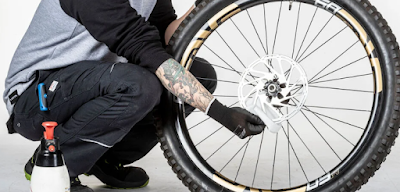
How To Quiet Noisy Brake Rotors on Your Bike


Biking is a fantastic way to stay active and explore the outdoors. But there’s nothing more frustrating than having to endure the constant noise of squeaky brakes during a ride. The sound can be not only annoying, but it can also be dangerous, as it could indicate that your brake rotors are not functioning correctly. However, there are some straightforward steps you can take to quiet noisy brake rotors on your bike.

Clean Your Rotors

Dirt and debris can accumulate on your brake rotors, causing the brakes to squeal. Start by removing your wheels and cleaning the rotors with isopropyl alcohol and a clean cloth. Be sure to avoid getting any oil or grease on the rotors, as this can make the problem worse.

Bed In Your Brakes

If your brake pads are new, they might need to be broken in. Bedding in your brakes is the process of transferring a small amount of pad material to the rotor's surface, creating a layer that improves braking performance and reduces noise. To bed in your brakes, find a safe area with plenty of space and make a series of hard stops from a moderate speed. Do this several times, allowing your brakes to cool between stops.

Adjust Your Brake Pads

Sometimes, the squeaking noise is caused by your brake pads vibrating against the rotor. Adjusting the pads so that they sit flush against the rotor can help reduce noise. Loosen the caliper bolts and squeeze the brake lever to center the pads over the rotor. Tighten the bolts and check for any rubbing or dragging.

Check Your Brake Rotors

If you've tried all the above steps and still have noisy brakes, it might be time to replace your rotors. Rotors can become warped or damaged over time, causing noise and reducing braking performance. You can check your rotors for wear by looking for grooves, cracks, or discoloration. If you notice any of these signs, it's time to replace your rotors.

Consider Upgrading Your Brake Pads

If none of the above steps help, you might want to consider upgrading your brake pads. Different types of brake pads offer different levels of stopping power and noise reduction. Metallic and sintered pads are usually noisier but offer better stopping power, while organic and resin pads are quieter but have less stopping power. Choose a pad that best suits your riding style and preferences.

Noisy brake rotors can be an irritating and dangerous problem. By following these steps, you can quiet your brakes and ensure they're working correctly. Always remember to test your brakes before going on a ride and replace any worn or damaged parts.

Wednesday, March 29, 2023

The Best Floor Bike Pumps of 2023


As a cyclist, having a reliable floor bike pump is crucial. Whether you’re a beginner or an experienced rider, a good bike pump is essential for maintaining your bike’s tire pressure, ensuring a smooth ride and preventing flat tires. With so many options on the market, it can be challenging to determine which bike pump is the best for your needs. In this blog post, we’ll share the best bike pumps of 2023.

Topeak JoeBlow Sport III


The Topeak JoeBlow Sport III is a reliable and affordable floor pump that delivers high performance. It features a steel barrel and base, a wide handle for comfortable pumping, and a large pressure gauge. With its smart head technology, this pump fits both Presta and Schrader valves, making it easy to use.

Lezyne Steel Floor Drive


The Lezyne Steel Floor Drive is a high-quality pump designed for serious cyclists. It features a steel barrel and base, a wooden handle for a comfortable grip, and a large pressure gauge. The pump is compatible with Presta and Schrader valves and comes with a secure thread-on chuck for a secure and leak-free connection.

Blackburn Chamber HV


The Blackburn Chamber HV is a high-volume pump designed for mountain bikers. It delivers a high volume of air with each stroke, making it easy to inflate larger tires quickly. It features an aluminum barrel and base, an ergonomic handle for comfortable pumping, and a flexible hose for easy access to hard-to-reach valves.

Having a reliable floor bike pump is essential for any cyclist. The Topeak JoeBlow Sport III, Lezyne Steel Floor Drive and Blackburn Chamber HV are all excellent choices for different types of cyclists. When choosing a bike pump, consider your needs, budget, and the type of cycling you do. With one of these pumps, you’ll be ready to hit the road with confidence!

Friday, March 10, 2023

How to Use Bike Tire Levers


If you're a cyclist, then you know how important it is to have the right tools for the job. One of the essential tools in your kit is a bike tire lever. These small plastic or metal tools are designed to help you remove and install tires on your bike's wheels. However, if you're new to cycling, you might not be sure how to use them. In this blog post, we'll explain how to use bike tire levers properly.

Why Use Bike Tire Levers?

Before we dive into how to use bike tire levers, let's first discuss why you need them. Bike tires are designed to fit snugly onto your bike's wheels. This tight fit ensures that the tire won't slip off the rim while you're riding, which could lead to an accident. However, this also means that it can be challenging to remove and install tires without the right tools.

That's where bike tire levers come in. These small tools allow you to pry the tire away from the rim, making it easier to remove and install the tire. Additionally, bike tire levers can help prevent damage to your tire or rim, which could happen if you try to remove the tire by hand.

How to Use Bike Tire Levers


Now that you understand why you need bike tire levers, let's go over how to use them. Follow these steps to remove and install a tire on your bike's wheel:

Step 1: Remove the Wheel

Before you can remove the tire from your bike's wheel, you'll need to remove the wheel from your bike. Depending on your bike's design, this might involve releasing the brake, loosening the quick-release skewer or axle nuts, or unscrewing the bolts that hold the wheel in place. Once you've removed the wheel, you're ready to start removing the tire.

Step 2: Insert the Tire Lever

Insert one end of the tire lever between the tire and the rim, making sure to position it so that the hook is facing away from the wheel. Push the lever down, so it's wedged between the tire and the rim.

Step 3: Pry the Tire Away from the Rim

Using the leverage provided by the tire lever, pry the tire away from the rim by lifting the lever upward. This will create a small gap between the tire and the rim. Keep prying until the entire side of the tire is lifted off the rim. Repeat this process with the second tire lever, inserting it next to the first one, and prying the tire off the rim.

Step 4: Remove the Tire

Once both sides of the tire are lifted off the rim, you can remove the tire from the wheel by pulling it off the rim with your hands. If the tire is stubborn and won't come off, use the tire levers to pry it off the rest of the way.

Step 5: Install the New Tire

To install a new tire, first, make sure that the tire is properly oriented. Look for an arrow on the sidewall of the tire, which indicates the direction of rotation. Then, start by placing one side of the tire onto the rim, making sure that the bead (the edge of the tire that fits into the rim) is in the groove of the rim.

Next, use the tire lever to pry the second side of the tire onto the rim. Start by inserting the lever into the tire near the valve stem and levering the tire over the rim. Work your way around the rim, levering the tire onto the rim a little at a time until the entire tire is in place.

Step 6: Inflate the Tire

Once the tire is installed, inflate it to the recommended pressure. Check the sidewall of the tire for the recommended pressure range, which is usually measured in pounds per square inch (PSI). Use a tire gauge to make sure that the tire is inflated to the correct pressure. Riding on underinflated tires can make it harder to pedal, increase the risk of a flat tire, and even damage your bike's rims.

Step 7: Reinstall the Wheel

After you've inflated the tire, you're ready to reinstall the wheel on your bike. Follow the instructions for your specific bike to reattach the wheel, making sure that it's secure before you ride.

Bike tire levers are an essential tool for any cyclist. They make it easier to remove and install tires without damaging your bike or tire, and they can even help prevent accidents. To use bike tire levers, insert them between the tire and rim, pry the tire away from the rim, and use the leverage to remove the tire. To install a new tire, place one side of the tire onto the rim, then use the tire lever to pry the second side of the tire onto the rim. Once the tire is installed, inflate it to the recommended pressure and reinstall the wheel on your bike.

By following these steps, you'll be able to use bike tire levers with confidence and keep your bike's tires in top condition.

Pumping Your Bike Tires: A Step-by-Step Guide

Proper tire pressure is essential for a safe and comfortable ride on your bike. Overinflated or underinflated tires can affect your bike's handling, increase the risk of a flat tire, and make pedaling more difficult. In this guide, we'll go through the steps to properly pump up your bike tires.

Step 1: Determine the correct tire pressure

Step 2: Gather your equipment

To pump your bike tires, you'll need a bicycle pump with a pressure gauge and a valve adapter that fits your bike's valves. Most bikes use either a Presta or Schrader valve. A Presta valve is long and thin, while a Schrader valve is shorter and wider, similar to a car tire valve. Make sure you have the appropriate adapter for your valve type.

Step 3: Remove the valve cap

Before attaching the pump, remove the valve cap from your bike tire. Be sure to keep the valve cap in a safe place so you don't lose it.

Step 4: Attach the pump

Step 5: Pump up the tire

Pump the tire up to the recommended pressure. Check the pressure gauge on the pump to ensure you're not overinflating the tire. If you accidentally overinflate the tire, press the release valve on the pump to let out some air.

Step 6: Check the pressure

After pumping up the tire, use a tire pressure gauge to check the pressure. A digital tire pressure gauge is more accurate than a manual one. If the pressure is too low or high, adjust it accordingly.

Step 7: Replace the valve cap

The correct tire pressure is usually printed on the sidewall of your tire. Look for a number followed by "PSI," which stands for pounds per square inch. This number represents the recommended tire pressure for your bike. The recommended pressure can vary depending on the type of bike, the size of the tires, and your weight. Generally, road bike tires require a higher pressure than mountain bike tires.

Attach the pump to the valve using the appropriate adapter. For a Presta valve, unscrew the valve cap and push the pump head onto the valve. For a Schrader valve, simply press the pump head onto the valve.

Once the tire is properly inflated, replace the valve cap.

Pumping up your bike tires is a simple process that can greatly improve your riding experience. Proper tire pressure ensures a safe and comfortable ride, reduces the risk of a flat tire, and makes pedaling more efficient. By following these simple steps, you'll be able to pump up your bike tires quickly and easily. Remember to check your tire pressure regularly, especially before long rides or races, to ensure that your bike is performing at its best.


Why Getting a Professional Bike Fit Is So Important

If you're an avid cyclist, you know the importance of having a bike that fits you properly. A properly fitting bike can help improve your performance, reduce the risk of injury, and make your rides more comfortable. While it's possible to make some basic adjustments on your own, getting a professional bike fit can provide you with even greater benefits. In this blog post, we'll explore why getting a professional bike fit is so important.

  1. Injury Prevention

Cycling is a low-impact sport, but it still puts stress on your body. If your bike isn't set up properly, you may be putting unnecessary stress on certain parts of your body, leading to injury over time. For example, if your saddle is too high, you may be overextending your leg and putting too much pressure on your knees. A professional bike fit can help identify these issues and make adjustments to help prevent injury.

  1. Increased Comfort

Cycling should be a comfortable and enjoyable activity. A bike that doesn't fit you properly can cause discomfort, leading to a less enjoyable ride. A professional bike fit can help make adjustments to your bike that improve your comfort level, such as adjusting the saddle height, handlebar reach, and cleat position.

  1. Improved Performance

When your bike is set up properly, you'll be able to ride more efficiently, resulting in improved performance. For example, a bike fit can help ensure that your pedaling stroke is as efficient as possible, which can help you ride faster and longer. A professional bike fit can also help you find the optimal position for your body, which can help you generate more power and reduce fatigue.

  1. Personalization

A professional bike fit is a personalized experience. A bike fitter will take into account your individual body type, riding style, and goals when making adjustments to your bike. This level of personalization can help ensure that your bike is tailored specifically to you and your needs, leading to a more enjoyable and comfortable ride.

  1. Better Bike Selection

If you're in the market for a new bike, a professional bike fit can help you choose the right bike for your body type and riding style. A bike fitter can help you determine the appropriate frame size, handlebar width, and saddle type based on your individual needs.

A professional bike fit is an important investment for any cyclist. It can help prevent injury, increase comfort, improve performance, provide personalization, and aid in selecting the right bike for your needs. Whether you're a recreational rider or a competitive cyclist, a professional bike fit can help take your riding to the next level.

How To Fix A Flat Tire on Your Bike


Getting a flat tire on your bike can be frustrating and inconvenient, but it's a common problem that every cyclist will encounter at some point. Knowing how to fix a flat tire is an essential skill that every cyclist should learn. In this blog post, we'll provide you with step-by-step instructions on how to fix a flat tire on your bike.

  1. Gather Your Tools

Before you start fixing your flat tire, you'll need to gather some tools. You'll need a tire lever, a new tube, a pump, and a patch kit (optional). You may also want to wear gloves to protect your hands from any sharp objects that may be on the tire or rim.

  1. Remove the Wheel

The first step in fixing a flat tire is to remove the wheel from your bike. To do this, you'll need to release the brake calipers (if you have rim brakes) and loosen the nuts or quick release lever that holds the wheel in place. Once the wheel is loose, lift it off of the bike frame.

  1. Remove the Tire and Tube

Next, you'll need to remove the tire and tube from the wheel. Use a tire lever to pry the tire away from the rim on one side, and then slide the lever around the rim to remove the other side of the tire. Once the tire is removed, you'll be able to access the tube. Carefully remove the tube from the tire and set it aside.

  1. Locate the Leak

Before you can fix the flat tire, you'll need to locate the source of the leak. Inflate the tube slightly and listen for any hissing sounds, or feel for any escaping air. If you can't locate the leak by feel or sound, you can also submerge the tube in water and look for bubbles.

  1. Repair or Replace the Tube

If you have a spare tube, you can replace the damaged tube with the new one. If you don't have a spare tube, you can patch the hole using a patch kit. To patch the hole, clean the area around the hole with the sandpaper provided in the patch kit, apply the adhesive, and then apply the patch. Wait a few minutes for the adhesive to dry before inflating the tube.

  1. Reassemble the Tire and Wheel

Once you've repaired or replaced the tube, it's time to reassemble the tire and wheel. Insert the valve stem of the tube through the hole in the rim, and then tuck the tube inside the tire. Starting at the valve stem, work the tire back onto the rim, making sure that the tube is not pinched between the tire and rim. Once the tire is fully seated on the rim, inflate the tire to the recommended pressure.

  1. Reinstall the Wheel

Now that the tire is fixed and inflated, it's time to reinstall the wheel. Place the wheel back onto the frame, making sure that it is properly aligned with the brake calipers (if you have rim brakes) and that the nuts or quick release lever is tightened securely.

  1. Test the Tire

Before you ride your bike, it's important to test the tire to make sure that it's properly fixed. Give the tire a squeeze to make sure that it feels firm, and listen for any hissing sounds that may indicate that there's still a leak.

Conclusion

Fixing a flat tire on your bike is a simple task that every cyclist should know how to do. By following these steps and having the right tools, you can quickly and easily fix a flat tire and get back to enjoying your ride. Remember to always carry the necessary tools with you, and to check your tires for any signs of wear or damage before each ride to prevent flat tires from happening in the first place.